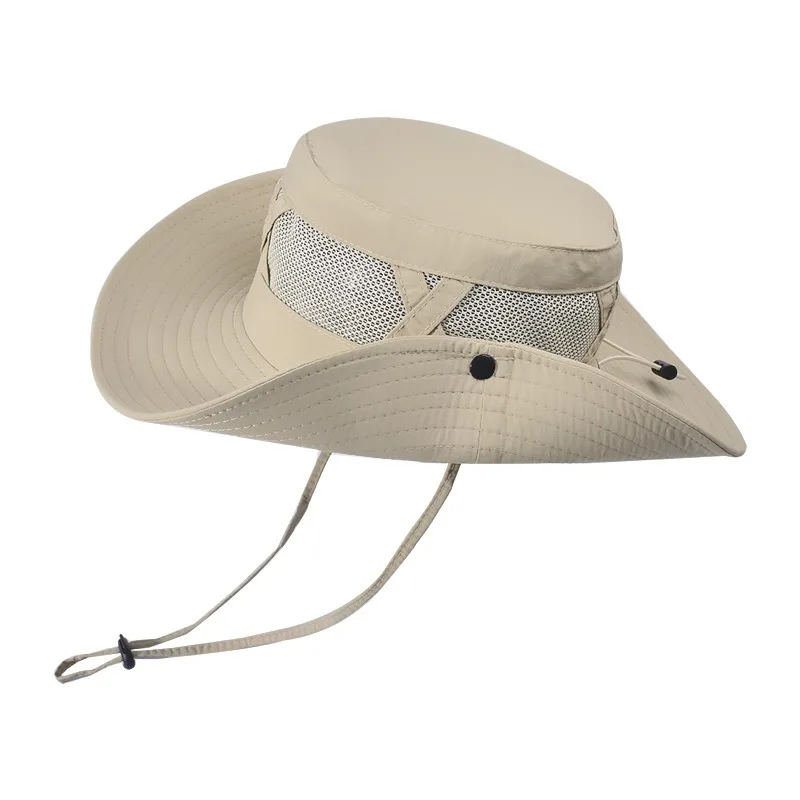
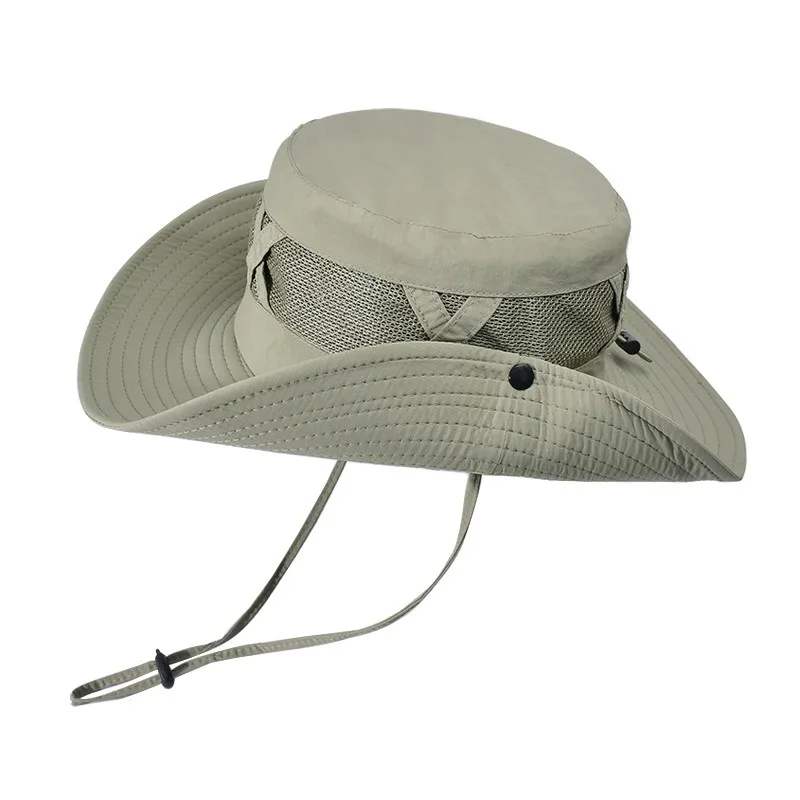
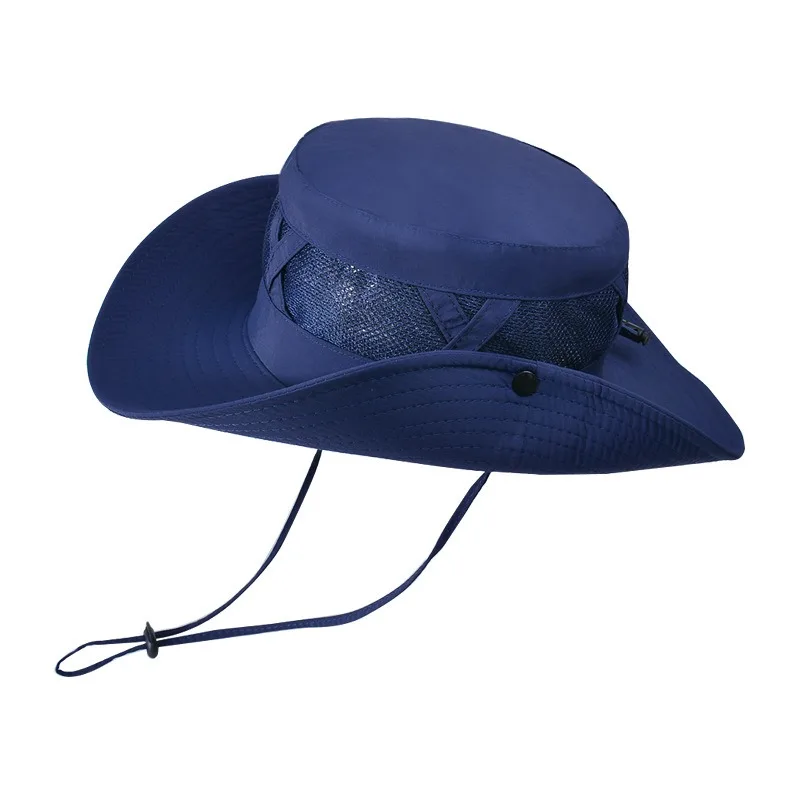
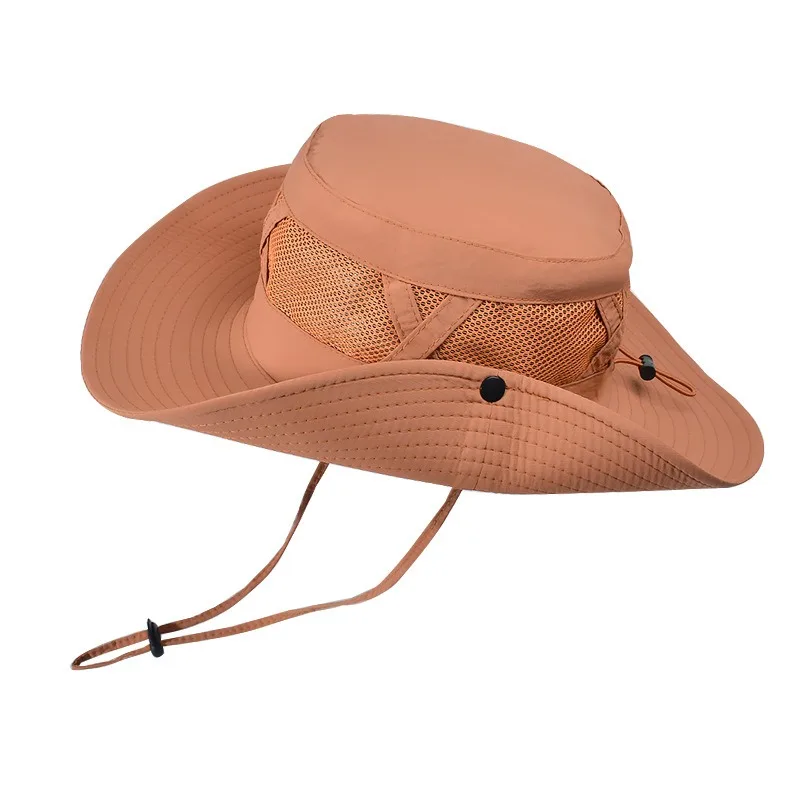
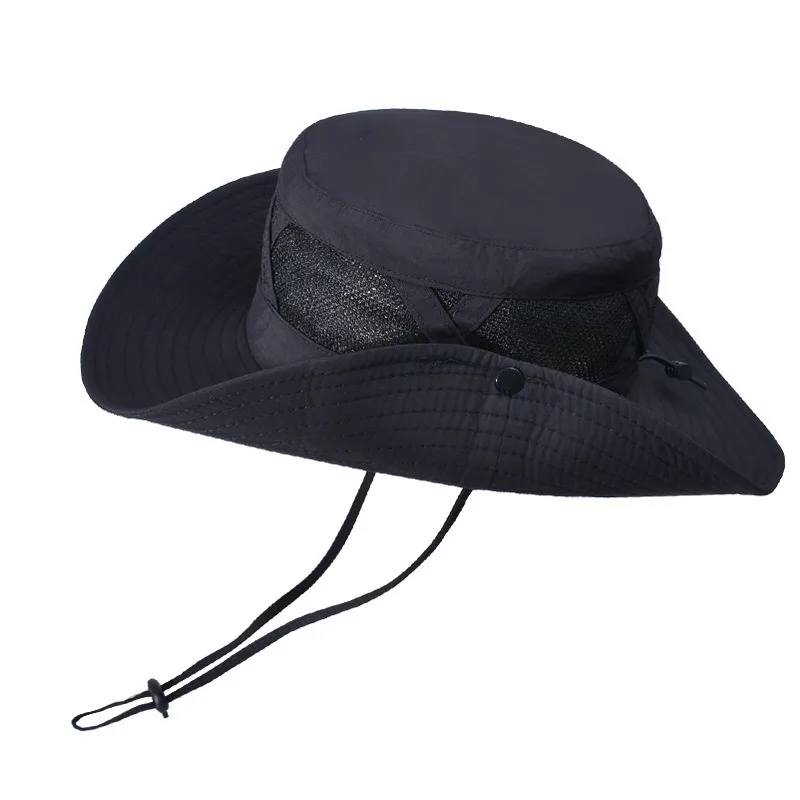
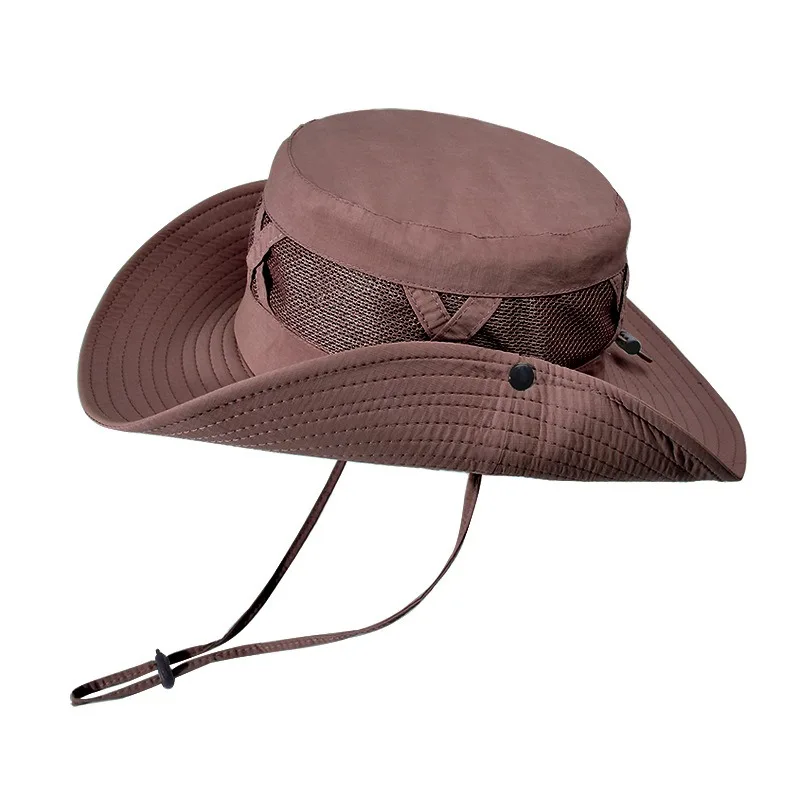
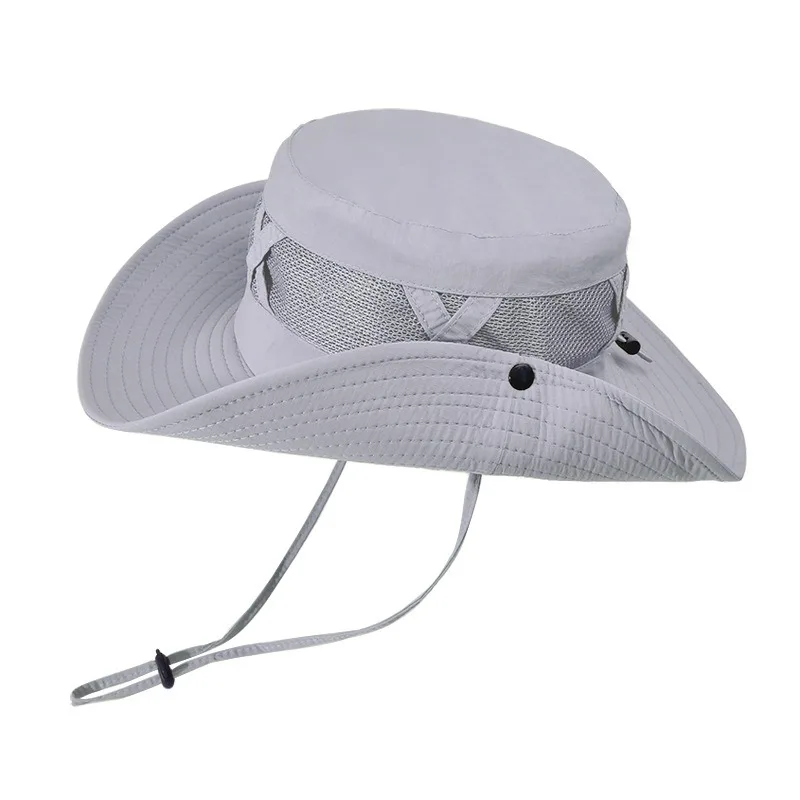
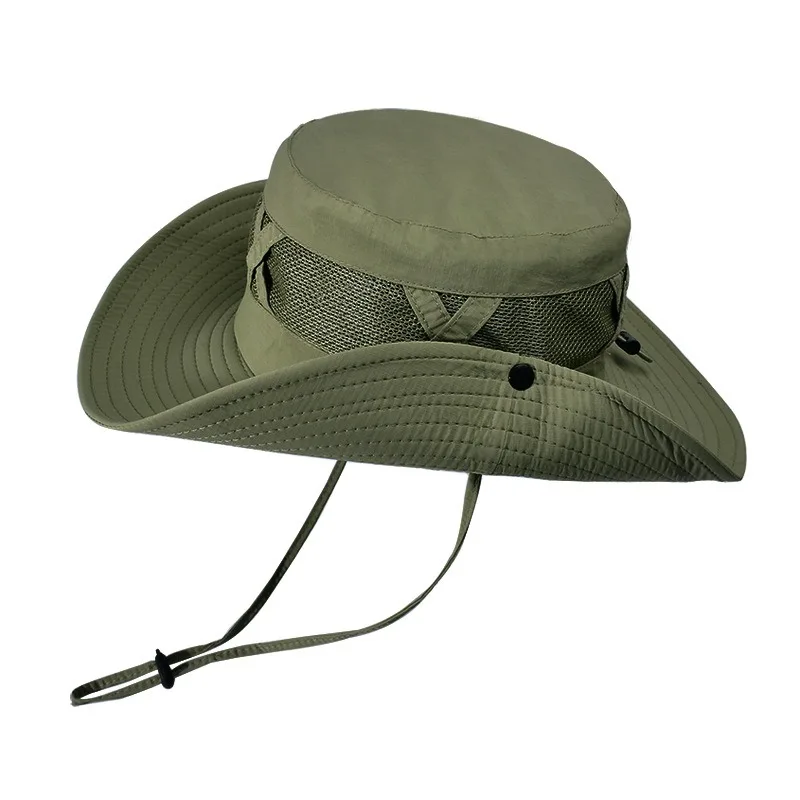
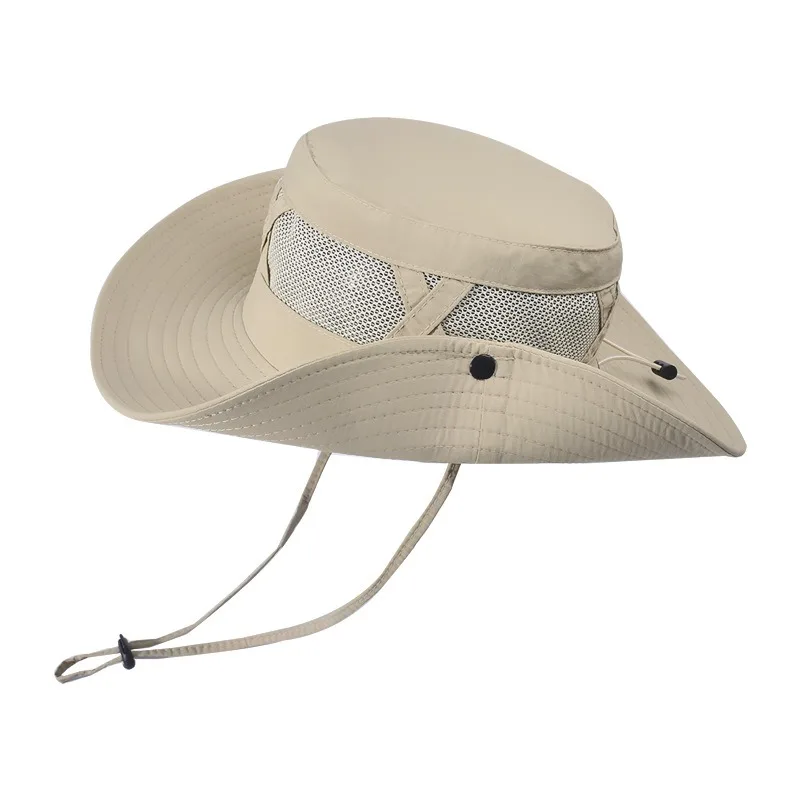
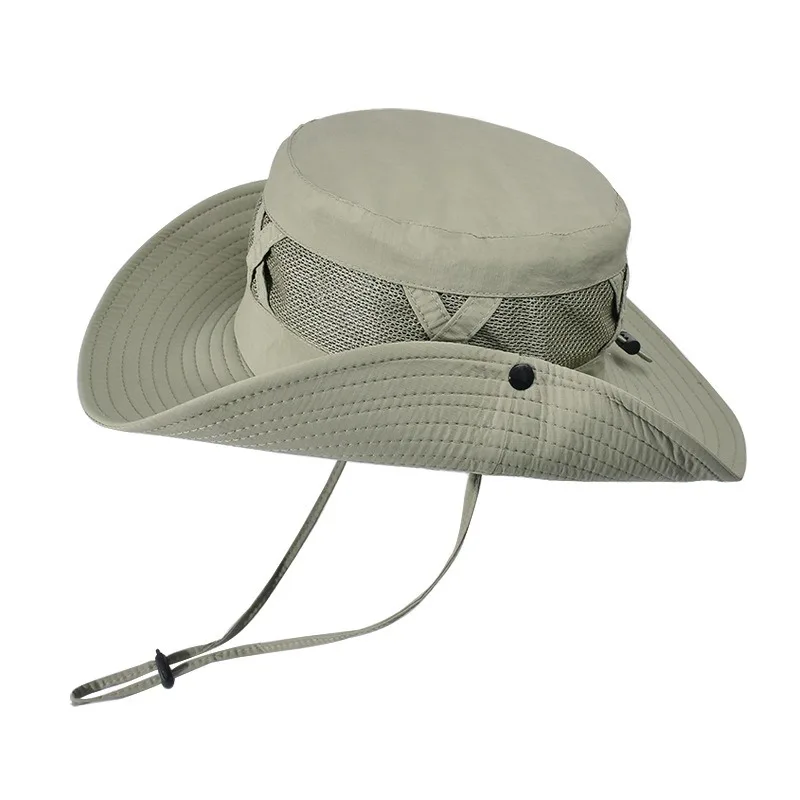
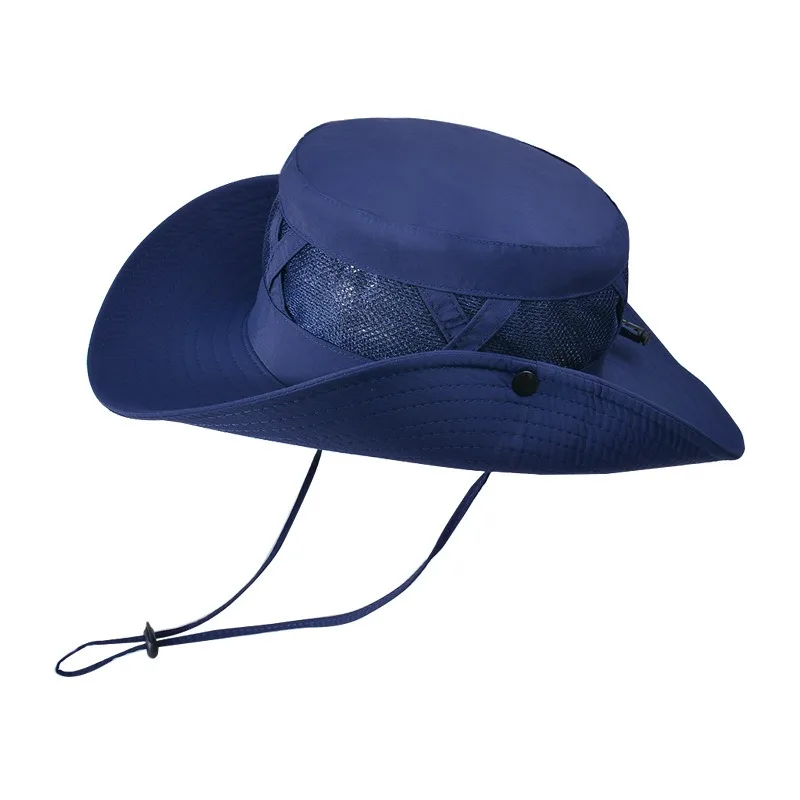
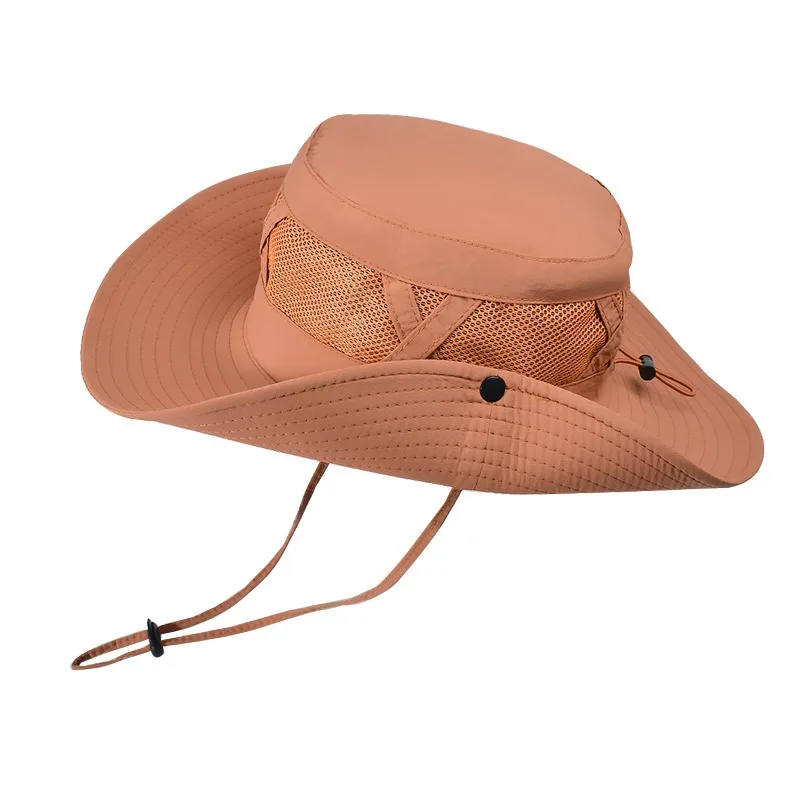
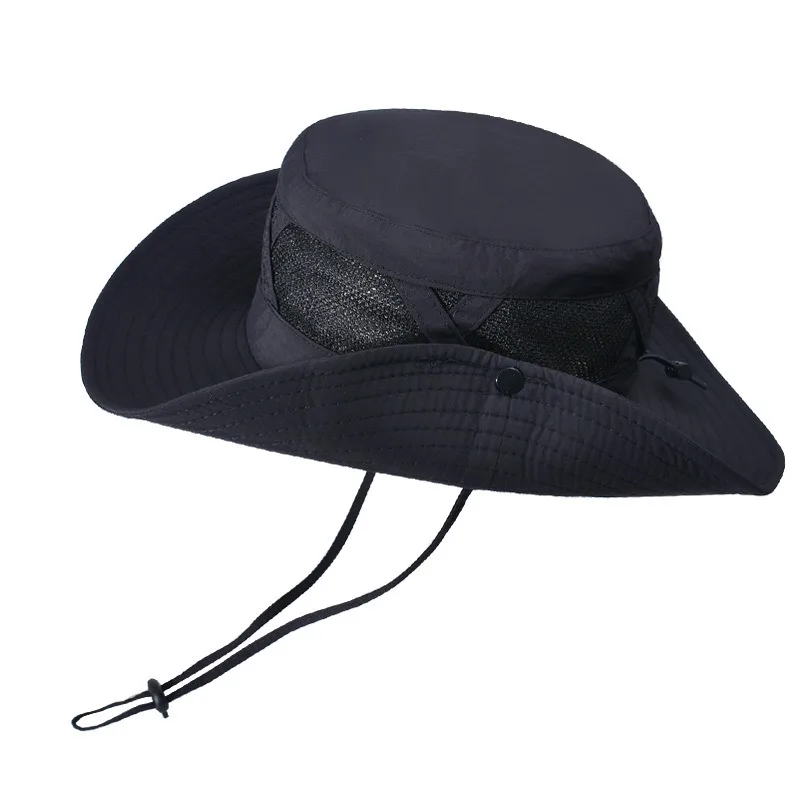
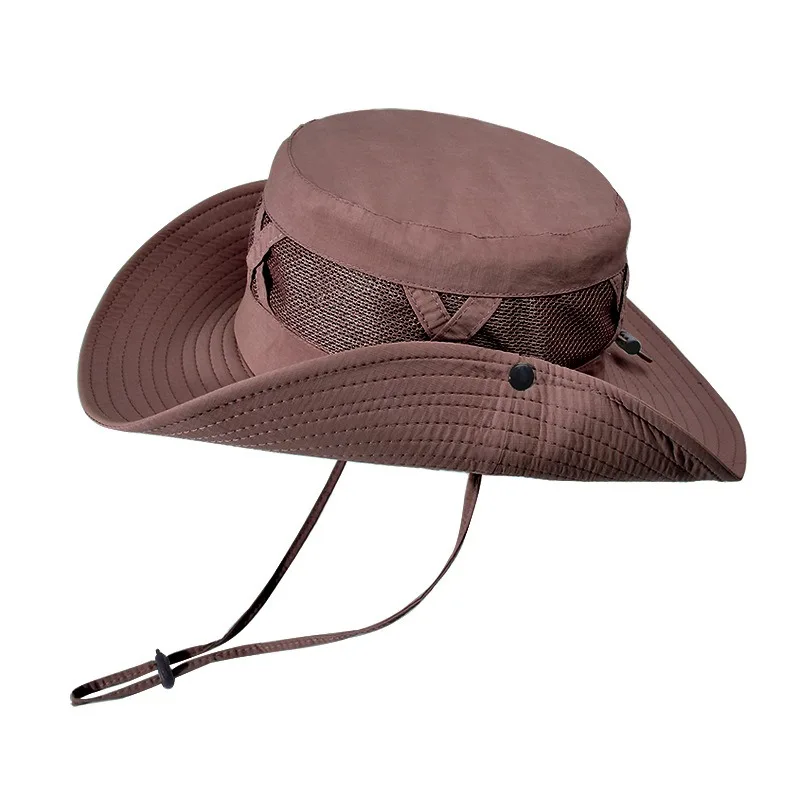
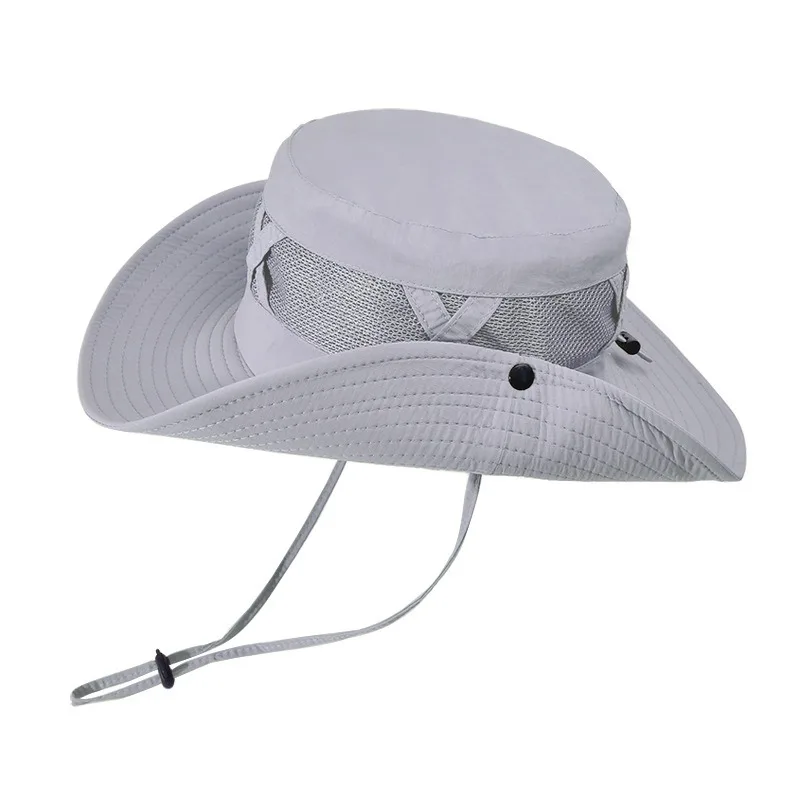
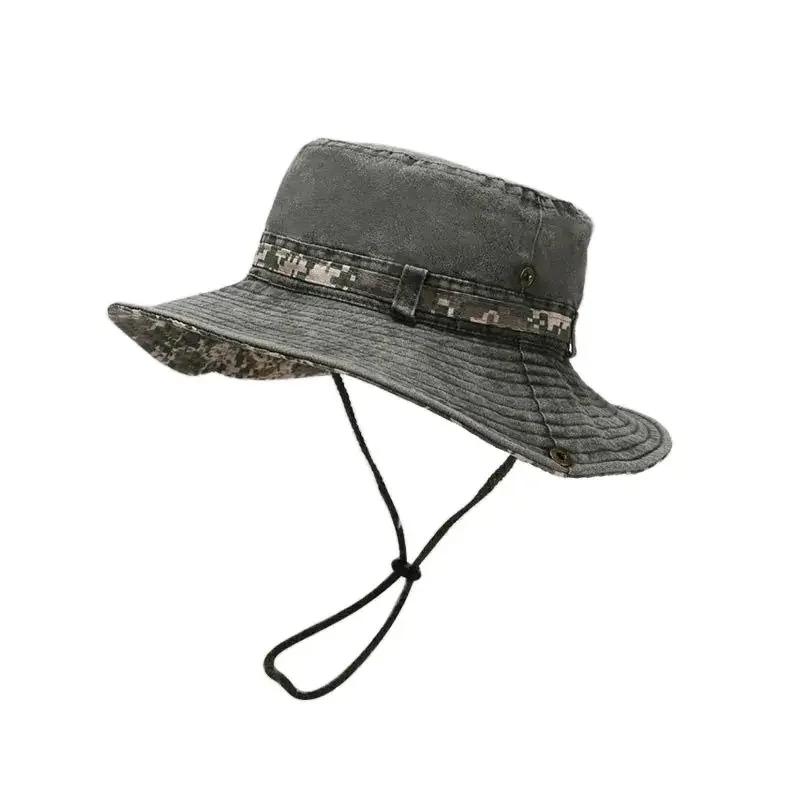
Military bucket hat
49,99 €

The military hat: a symbol of honor and tradition. The military hat is much more than a simple clothing accessory. It represents an essential part of the uniform and embodies values such as honor, discipline and commitment to the nation. Used by armed forces all over the world, it takes on different forms and meanings depending on the era and country. Origins and development. The history of the military hat dates back to ancient times, when soldiers wore helmets for protection during battles. Over the centuries, these headgear evolved to include elements of distinctiveness and identity. In the 18th and 19th centuries, iconic models such as the bicorne and the shako became symbols of command. Napoleon Bonaparte, for example, is often depicted with his famous bicorne. With the development of military techniques and clothing styles, the hat gradually took on more practical forms adapted to different combat environments, including kepis, berets and modern helmets. Different types of military hats: The bicorne: worn by high-ranking officers during the Napoleonic era, it became a symbol of authority. The kepi: characteristic of the French armed forces, it is worn by both soldiers and officers. The beret: worn by elite units such as commandos and paratroopers, it is often associated with agility and specialization. The helmet: although not strictly speaking a hat, it plays a crucial role in protection and is an integral part of modern equipment. Symbolic meanings and uses: the military hat is not only used to distinguish between ranks or units; it is also full of symbolic meanings. During official ceremonies, it is often used to pay tribute or honor individuals and events. Furthermore, some models are only worn on special occasions, emphasizing the importance of military tradition. Conclusion: the military hat, whether adorned with insignia or simple in design, remains a strong symbol of service and loyalty. It continues to evolve to meet practical needs while retaining a strong symbolic charge, reminding everyone of the importance of the history and traditions of the armed forces.
Related products
-
 49,99 € Select options This product has multiple variants. The options may be chosen on the product page
 -
 54,99 € Select options This product has multiple variants. The options may be chosen on the product page
 -
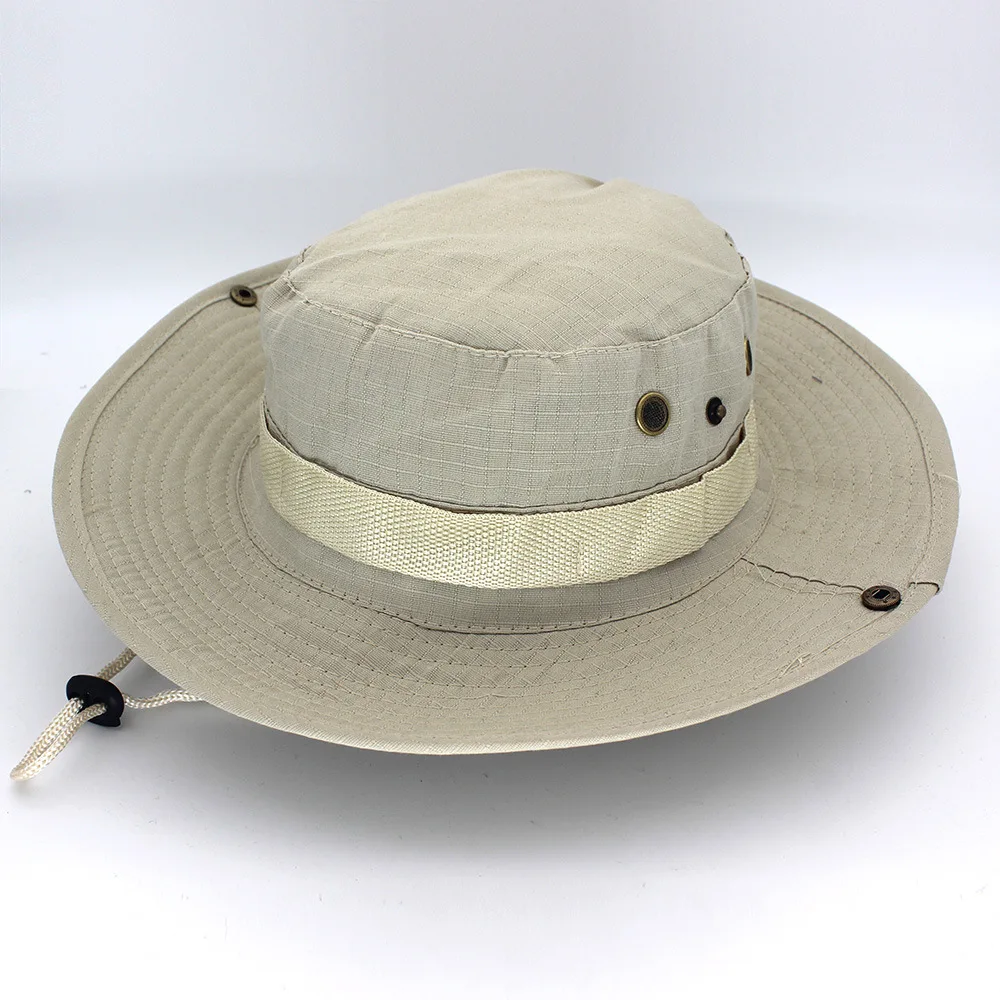 49,99 € Select options This product has multiple variants. The options may be chosen on the product page
 -
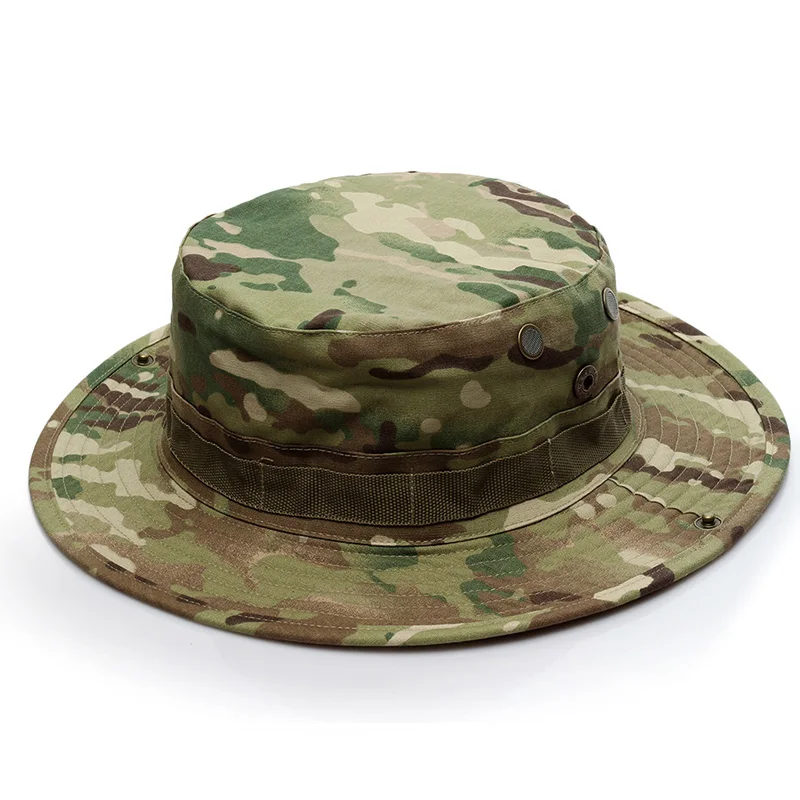 49,99 € Select options This product has multiple variants. The options may be chosen on the product page